
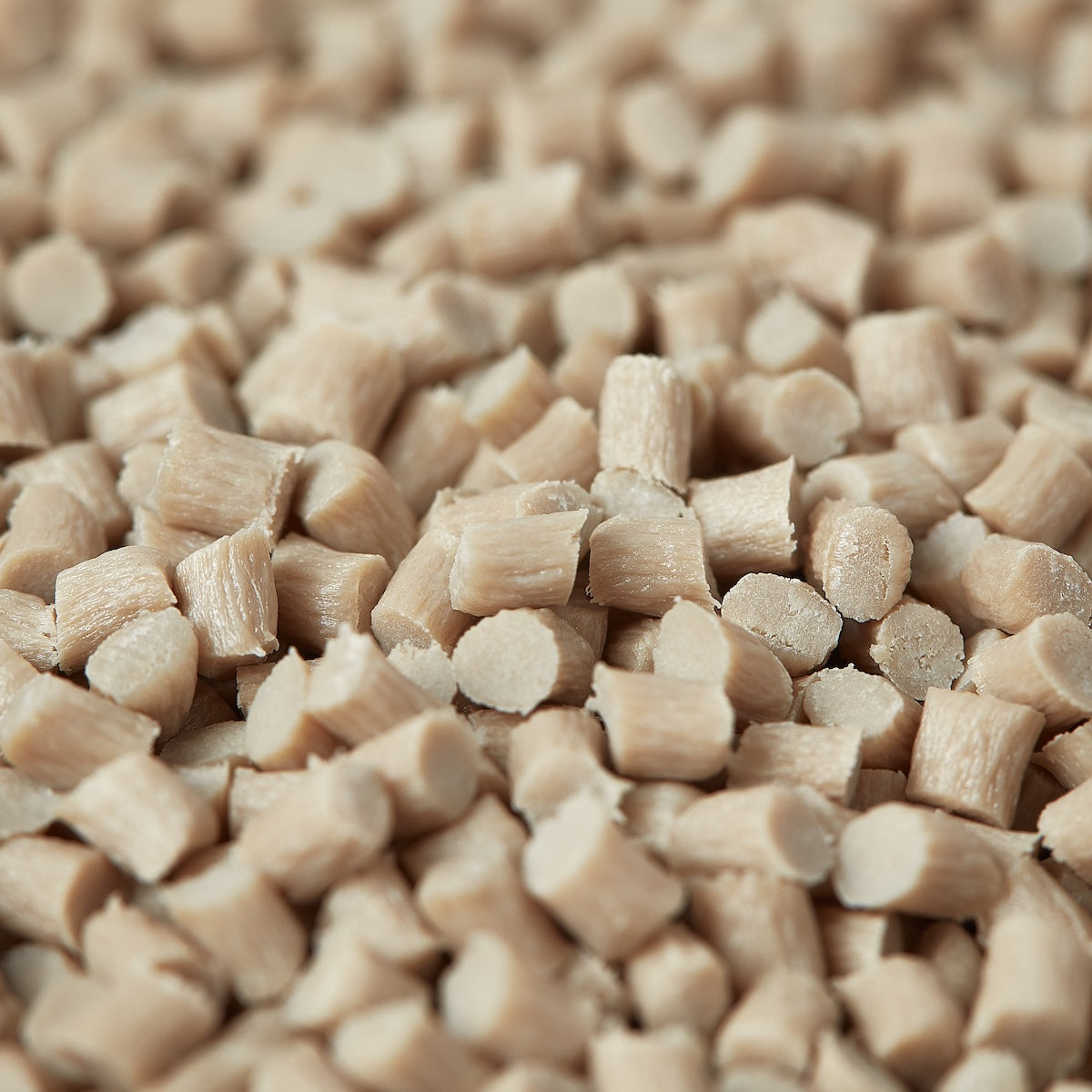
Compression Moulding for Plastic and Polymer Components 

Explore custom polymer shapes formed under pressure, from functional rings and discs to moulded composite components.

Choose the material and manufacturing route around your component’s geometry, operating conditions, and production requirements. Contact us for any help deciding this. 

Request a Custom Component Quote →

What is compression moulding? 

Compression moulding is a manufacturing process used to shape plastic and polymer components by placing a measured amount of material into a mould and applying pressure with a controlled heating or cooling cycle. The material takes the shape of the mould before the component is removed and finished as required. The process varies by material: thermosetting polymers cure under heat, suitable thermoplastics cool and solidify, while PTFE powders are typically pressed and then sintered.

Why Choose This Route: The Benefits for Polymer Components 

  • 1. Material Options

    Process specialist compounds 

    This method is suitable for PTFE powders and reinforced polymers. 

  • 2. Near-Net Shapes

    Reduce later machining

    A moulded blank or near-net component may reduce material removal. Critical features may still need machining.

  • 3. Composite Designs

    Integrate useful features

    Suitable compounds can form shaped supports, covers and brackets, with reinforcement assessed around the loads.

  • 4. Repeat Demand

    Reuse specified tooling

    Dedicated tooling supports repeat manufacture when the design, material specification and tool condition remain suitable.

Which plastics can be compression moulded?

PTFE

Its extremely high melt viscosity makes conventional melt processing difficult. Suitable powders are pressed into a preform and then sintered.

PEEK

Specialist compression moulding consolidates reinforced compounds into high-performance components.

POM / acetal

Technically possible, including sheets or simple shapes, although injection moulding and extrusion are preferred. 

PP

Commonly used in compression moulding for extremely large quantities of goods. 

PEI

This material requires specialist compression moulding requirements 

What components can be produced? 

Some designs are moulded close to their final shape; others use a moulded blank followed by machining.

  • Rings & seal blanks

  • Bushes & bearing blanks

  • Disc, plates & pads

  • Electrcial insulating parts

  • Composite covers & housing

  • Brackets & structural supports

Our Compression Moulding Process: 

1. Design Review

We review your component specifications and CAD drawings, as well as your required volume to see if compression molding would be suitable.

2. Material Selection

We help you choose the right material for your performance and cost goals.

3. Precision Compression

Polymer granules are heated until molten, then pressed into a precisely engineered mold. The polymer cools and solidifies into the required shape, after which the mold opens and the finished component is ejected.

Inspection and Certification

Your component(s) are then fully inspected and sent to you with a CoC.

Get your quotation here in 24 hours: 

Request a Custom Component Quote →

What to include: 

  • Dimensioned drawing and available CAD file
  • Material and grade
  • Thickness or finished dimensions
  • Quantity and repeat demand
  • Critical tolerances and finish
  • Application and delivery date
  • Certification or inspection needs
Request a Custom Component Quote →

Frequently Asked Questions 

Yes, suitable moulded components or blanks can undergo CNC milling or turning to achieve critical dimensions, improve functional surfaces or add features. Any machining allowance should be considered before the mould is designed.

Producing a custom-moulded shape generally requires suitable tooling. If you can machine the component from an existing moulded stock shape, you may not need a dedicated component mould. The most practical route depends on the drawing and quantities.

It can be, although tooling and processing costs need to be assessed. Machining from available stock may be more economical for early prototypes or limited quantities. Expected repeat demand should also be included when comparing options.

Achievable tolerances depend on the material, geometry, tooling and thermal cycle. Critical fits may require secondary machining. Identify important dimensions, datums and inspection conditions so the requirements can be reviewed before manufacture.

Suitable filled PTFE and glass- or carbon-fibre compounds can be considered. Fillers and reinforcement affect processing, dimensional behaviour, and finished properties.

A serviceable mould can generally support repeat orders when the component design and material specification remain suitable. Ownership, storage, maintenance, and expected tool life should be agreed before manufacture.